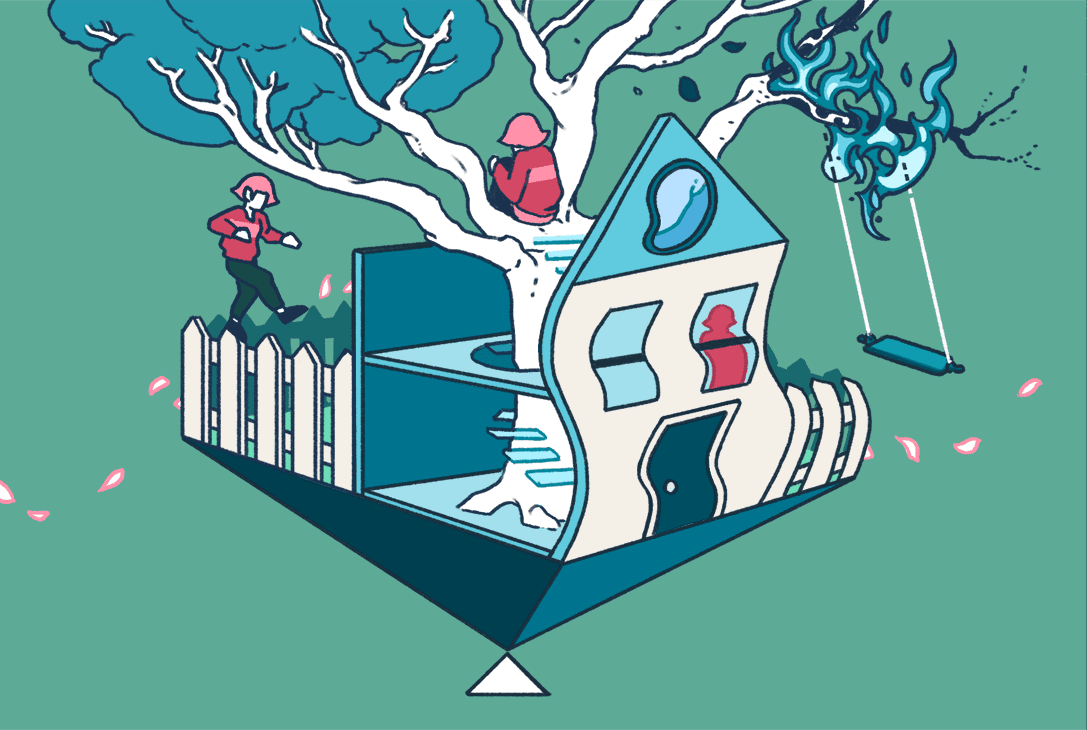
Having experienced anxiety and depression for over a decade, navigating life with mental illness is something that I have become very familiar with. But recently, after quite a thorough process, I received a new diagnosis: Borderline Personality Disorder, or BPD for short.
Around a year ago I didn’t know much about BPD, and it’s still pretty new to me. I’m no psychiatrist and I’m learning every day, so I can’t promise that I know everything about what I’m about to say. BPD is also different for every person, but I thought I’d take the time to share my experience as I continue to understand more and more about something I now realise I have been struggling with for quite some time.
What’s in a name?
- ‘Borderline Personality Disorder’ was originally given this name in 1938 because it was seen to he on the borderline between ‘neurosis’ (disorders characterized by anxiety, depression, or other feelings of unhappiness or distress) and ‘psychosis’. Psychosis is when a person loses some contact with reality, whether that’s seeing or hearing things that other people cannot see or hear (hallucinations) or believing things that are not actually true (delusions).
- The term that was mostly used when discussing my diagnosis was actually ‘EUPD’, which stands for ‘Emotionally Unstable Personality Disorder’. ‘Emotionally Unstable’ is fairly self explanatory. Arguably it’s clearer, though it focusses strongly on one symptom, and further explanation is probably needed for people to understand what ’emotionally unstable’ actually means and looks like. This is used in medical settings in the UK, but ‘borderline’ continues to be the term used most generally. Not that it matters much, but I kind of like the air of mystery that ‘borderline’ has too.
Most of my ‘research’ into BPD is based on what I’ve found out online, or during the seven or eight assessment sessions I had. I’ve gone down many rabbit holes about symptoms, types, causes and impacts, and it’s clear from a quick internet search that a stigma around BPD still exists. Some of the stats about BPD are quite scary so I’m not going to share them. But the disorder is often long term and severe, and regulating emotions is an ongoing struggle.
However, it has been encouraging to read about people who are experiencing similar things to me, and it’s been validating to see that it’s hard, and I’m not just making it all up. These are some of the images used to represent BPD – looks fun, huh?
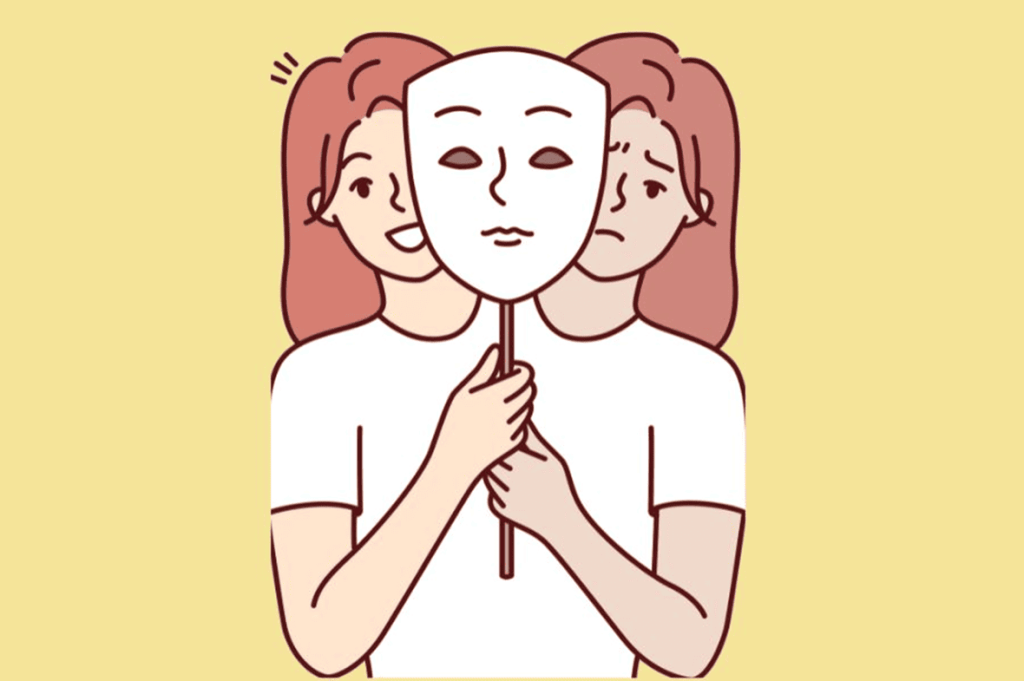
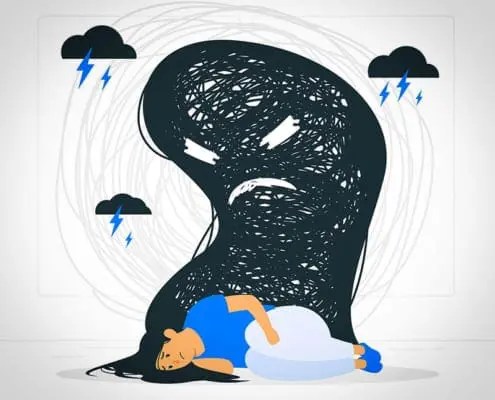
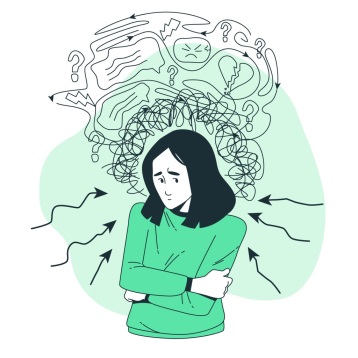
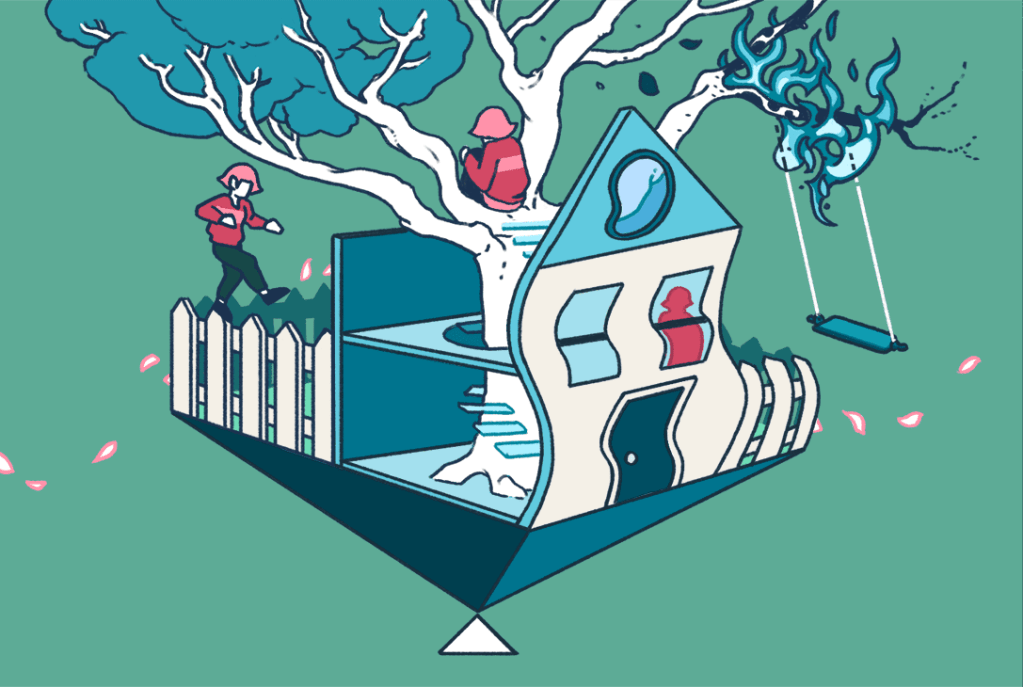
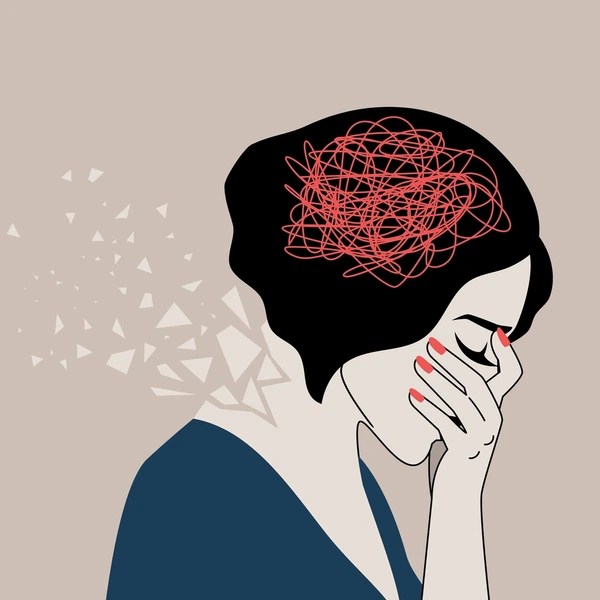
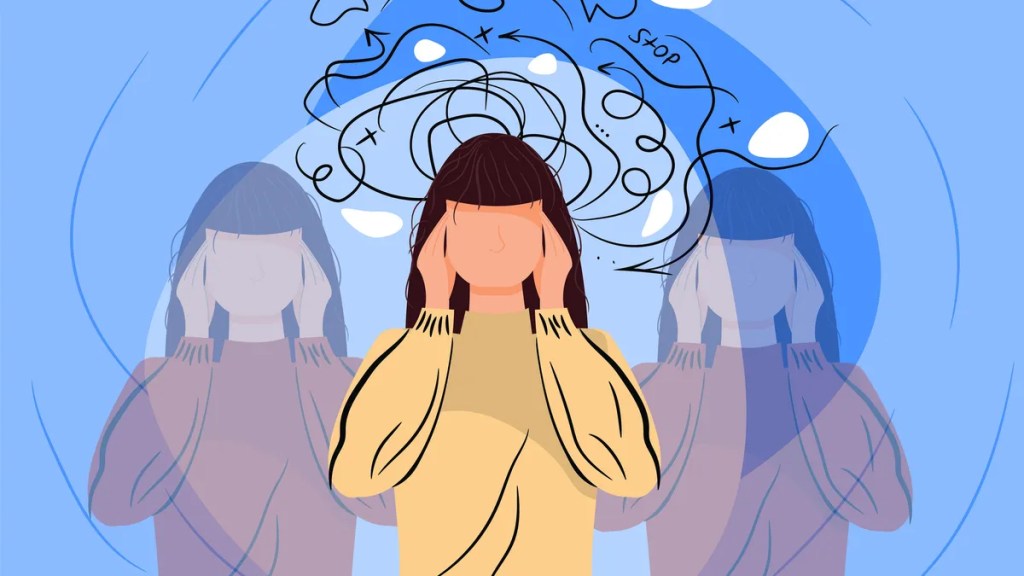
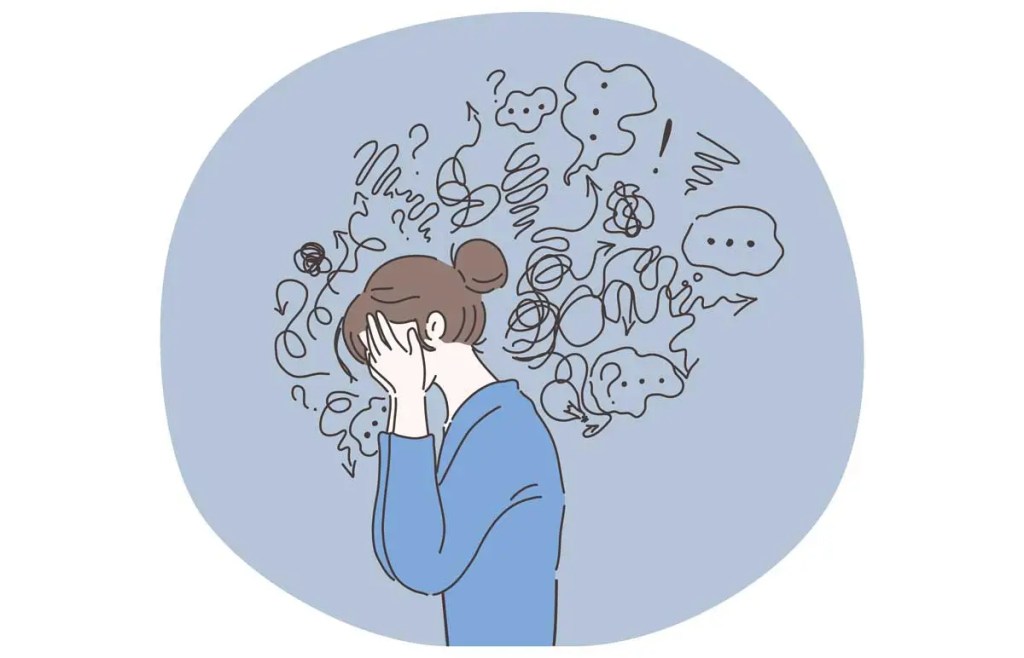
So, what are the symptoms?
1. One of the main features of BPD is a strong fear of abandonment, which could be based on real or imagined circumstances.
- This means I can interpret small things as a sign that someone is abandoning me. I find that even when I know rationally that people are not abandoning me, that they are often just busy or have various responsibilities and commitments, or even just need time to rest, I still respond emotionally.
- Triggers include cancelled plans, delayed replies to messages, or seeing friends in a group setting but not getting a chance to talk properly, all of which I know rationally are not usually signs of being abandoned.
- It also means that I form strong attachments to people, crave reassurance, am sensitive to rejection and often feel like a I am ‘too much’ and fear losing close relationships. A person with BPD often reacts strongly to perceived signs of rejection, which leads to increasing efforts to avoid abandonment
2. Another thing that people with BPD might experience is splitting. This is based on the idea of seeing the world in a very ‘black and white’ way. I can go from idealising someone and thinking they are perfect, to thinking they don’t want anything to do with me at the smallest of signs. If someone upsets me I may see them as ‘all bad’ and struggle to acknowledge the good, or visa versa.
- With BPD, there is a tendency to view the world in extremes, to feel intense anger following perceived rejections, disagreements or misunderstandings, followed by shame and guilt when the feelings of angers subside.
- Because of this, many people with BPD often experience volatile relationships, ‘splitting’ between idealisation and disdain of others, switching between a need for closeness and pushing people away. This is less severe and often internalised for me, and so thankfully usually, but not always, has less impact on my friendships.
3. Emotional instability and dysregulation is, for me, one of the hardest symptoms of BPD to manage, and helps to explain why my emotions often feel so intense and out of control.
- It seems that I have a lot of difficulty regulating my emotions. Outwardly I may look like have my emotions under control and you may not even notice an intense mood change take place. But very small things can cause very big emotions. Even when I know why I’m upset or overwhelmed and recognise that my thoughts are irrational, I often can’t connect this to my emotions and regulate how I am feeling.
4. On the opposite side to intense and seemingly uncontrollable emotions, I can also switch into dissociation, which feels a bit like being separate from my emotions, numb, or feeling out of touch with reality or detached from myself.
- Dissociation can also cause gaps in memory and difficulties with concentrating. In the context of BPD, it is closely linked to emotional dysregulation, identity disturbances, and interpersonal difficulties.
- This, I think, is a way that my brain copes with the intense emotions, shutting them off in order to avoid having to deal with them. As far as I’m aware, I can’t choose when I become dissociated. Whilst it sucks, it does sometimes feel like day to day life is a bit more manageable in a state of low level dissociation.
- Being in a safe environment, moving your body, engaging with the five senses, breathing exercises and sharing immediate thoughts and feelings are all said to help, when dissociation becomes particularly intense. I’m better at some of these than others.
5. Individuals with BPD often struggle to maintain a stable sense of self with their self-image and life choices prone to abrupt shifts influenced by their current relationships or circumstances. They can lack a sense of identity and therefore may study how other people act and try and fit the standards that they perceive around them.
6. Another symptom of BPD is impulsive and self destructive behaviour. Some common areas of life that people with BPD can be impulsive with are: self harm, binge eating, alcohol, drugs, spending money or sex, often resulting in significant consequences due to the risky behaviour. I struggle with some, but not all, of these.
7. Recurrent/repeated suicidal behaviour and using self-harming behaviours as coping mechanisms or expressions of emotional distress, are also key symptoms. I’m not sure I need to say much more on these symptoms right now, but they’re real and they really suck. I wrote a blog on self harm if you want to have a read.
8. Another less visible, but still significant symptom of BPS is chronic feelings of emptiness, characterised by an ongoing unfulfilled feeling even when things seem to be going well in life.
Other symptoms of BPD include:
- Anger – Whilst this is a key symptom, I don’t experience this as much but I probably do supress feelings of anger/turn them inward. It is common for people with BPD to struggle with anger management, leading to disproportionate reactions that can result in conflicts, verbal outbursts, or even physical altercations.
- Guilt – Many people with BPD talk about feelings of guilt and shame. I, along with many others, find it easy to convince myself that I’m being lazy and over-dramatic for attention, which in turn only makes my problems worse by neglecting them.
- Paranoia, irritability, feelings of loneliness, intrusive thoughts, experiences of psychosis, such as delusions, unstable and intense relationships, distrust of others, hyper-sexuality and agitated depression, which looks like physical tension, racing thoughts, and anxious distress are all symptoms associated with Borderline Personality Disorder.
- Sensory overload, whilst not a key symptom of BPD is something that many individuals with BPD experience. This is quite a common feeling for me and is characterised by an overwhelming and distressing response to sensory stimuli, including hypersensitivity and overstimulation.
If you’ve made it this far, well done, and please stick with me until the end.

Another thing that I discovered halfway down one of those rabbit holes is that there appears to be four main subtypes of BPD and the one that fits me most is Quiet BPD.
- This means that where others with BPD might respond more often to imagined abandonment in anger or threaten self destructive behaviour, I usually internalise these feelings and avoid sharing them out of fear that it will push people away.
- This is most likely why some of the symptoms of BPD might not seem obvious, and might be why it hasn’t been picked up earlier. Afraid of being abandoned. Keep emotions inside and blame themselves rather than others.
In summary, Borderline Personality Disorder can make life pretty hard, and the stigma or lack of awareness that still exists around it can make it even harder. So here are some quick tips for supporting someone with BPD:
- Research and educate yourself on the disorder – it definitely helps to feel more understood.
- Actually, while you’ve there, why not research other personality disorders too, like Avoidant Personality Disorder (choosing isolation over social situations, hypersensitive to criticism, fear of being embarrassed, poor self image) or Narcissistic Personality Disorder.
- Be an active listener and validate their feelings – even if their emotions seem out of proportion, that doesn’t mean that they aren’t still feeling them. Sometimes I need help to see where my thoughts are irrational, but not at the expense of being told I shouldn’t or don’t feel like I do – that is likely to only make the feelings worse.
- Voice your support when someone with BPD asks for help or seeks professional help.
- Be aware of potential triggers, although they can’t always be avoided.
- Take any and all threats of or worries about self-harm seriously.
- Celebrate positive traits – people with BPD can often be exceptionally resilient, deeply empathic and compassionate, passionate, emotional, loyal, protective, curious and creative…


